
Screen printing vs embroidery: which one does your logo need?
Ink or thread. We run both every day — presses on one side of the shop, embroidery heads on the other — so here's the comparison with no favorite child.
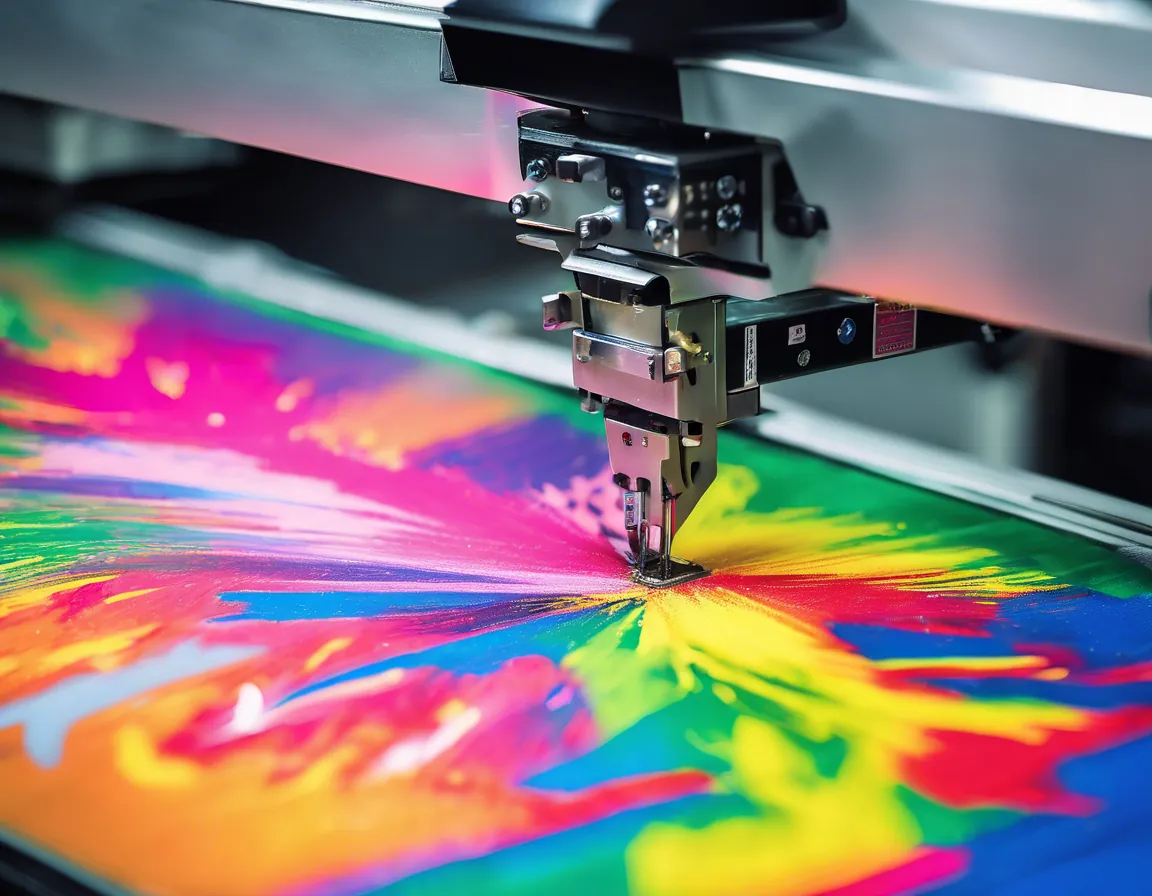
Short answer: embroidery for polos, caps and outerwear — anywhere a stitched logo needs to read premium. Screen printing for t-shirts, hoodies, big graphic art and big runs. Thread says uniform. Ink says merch. Most brands eventually need both.
We're Fully Exposed Graphics, an Albuquerque shop that's been running screens and stitch files under one roof since 2020, so we've got no horse in this race. Below: how each method actually works, what drives the cost of each, and a decision guide by use case. Already torn? Send us your art and we'll tell you straight — even if the answer is the cheaper one.
Rule of thumb: if the garment has a collar or a brim, embroider it. If the garment is a canvas for art, print it.
How screen printing works, in plain English
Your design gets separated by color, and each color gets its own screen — a mesh panel coated in light-sensitive emulsion, exposed under UV light with a film positive of your art, then washed out so only the design lets ink through. On press, a squeegee drives plastisol or water-based ink through that stencil into the fabric, and the shirt rides a conveyor dryer at cure temperature so the ink bonds for good.
The result is flat, bright and seriously durable, with per-shirt cost that falls fast as quantity climbs. Fine lines, halftones, oversized prints, puff and metallic inks — all on the table. Full rundown on our screen printing service page.
How embroidery works, in plain English
Embroidery starts with digitizing: converting your logo into a stitch file that maps every needle drop — stitch type, angle, density, the order the colors sew. That file drives a multi-head machine that stitches your design in polyester thread, thousands of stitches at a time. A typical left-chest logo takes minutes of machine time per piece, every piece.
Because it's thread, not ink, embroidery is priced by stitch count rather than color count — a ten-color logo costs the same as a two-color logo if the stitch counts match. And it produces something ink can't: raised, dimensional texture you can feel. Details on our custom embroidery page.
Screen printing vs embroidery, side by side
| Screen printing | Embroidery | |
|---|---|---|
| Cost driver | Ink colors × quantity — each color needs its own screen | Stitch count — the size and density of the design |
| Durability | Outlasts the garment when properly cured | Effectively permanent; survives industrial laundering |
| Look & feel | Flat, smooth, bold color; soft-hand options | Raised, dimensional, textured; premium perception |
| Best garments | Tees, hoodies, sweats, totes | Polos, caps, jackets, beanies, bags |
| Detail limits | Fine lines, halftones, gradients — nearly anything | Small text under ~5mm turns to mush; gradients don't translate to thread |
| Setup | Screens burned per color, per design | One-time digitizing fee; the stitch file is reusable forever |
That detail-limit row matters more than people expect. Thread has physical width. Tiny taglines, thin serifs and photo-real gradients that print beautifully will disappear or clump when stitched. If your logo leans on fine detail, either print it or let our in-house design team build a simplified embroidery version — we do it constantly.
What actually drives cost with each method
Screen printing runs on a 30-piece minimum, and two things drive what you pay: quantity and ink color count. Each color in your design needs its own screen, and each screen carries a one-time setup cost — so the more shirts you pull off those same screens, the less setup each shirt has to absorb. That's why a one-color left-chest tee at a real quantity is about the cheapest custom garment there is, and why printing six of anything is the worst deal in the shop. How setup and price breaks interact is covered in our screen printing pricing guide.
Embroidery starts with a one-time digitizing fee to turn your logo into a stitch file, then a per-piece price driven by stitch count rather than color count — a ten-color logo costs no more than a two-color one at the same stitch count. The per-piece side doesn't fall away at volume the way press time does, because every piece needs the same minutes of machine time. But that digitized file is yours for good, so reorders skip the setup entirely — embroidery gets friendlier every time you come back.
Which lands cheaper depends on the job, not the method. Garment, art, stitch count, quantity and number of locations all move the number, which is why we won't pretend a blog post can price your order. Send the details and we'll quote both methods, itemized, so you can compare the same order two ways instead of comparing ranges.
Which should you pick? A decision guide
- Corporate uniforms and polos: embroidery. A stitched left-chest logo is the industry standard for a reason — it reads established and survives years of laundering.
- Team, event and fundraiser tees: screen printing. Lowest per-shirt cost at quantity, boldest color, fastest at scale.
- Hats: embroidery or stitched patches, almost always. Curved crowns and ink don't get along. See our custom hats page for both routes.
- Hoodies with big graphics: screen printing. Large-format embroidery gets heavy, stiff and expensive fast.
- Brand merch: usually both — printed tees for the drop, embroidered caps and beanies for the premium tier. That's exactly how we build brand merch programs.
- Fewer than 30 printed pieces: neither — go DTF, which has no minimum. Here's how DTF stacks up against screen printing.
Can you do both on one order?
Yes, and it's one of the most common orders we run: embroidered caps and printed tees in the same box, one quote, one point of contact. Every item still gets its own digital proof before anything sews or prints, and every piece gets hand-inspected before it ships or hits the pickup shelf. One shop, both methods, zero coordination headaches.
Screen printing vs embroidery FAQ
Is embroidery more expensive than screen printing?
Per piece at t-shirt quantities, usually — machine time scales with stitch count and doesn't drop at volume the way press time does. But the setup math flips: digitizing is one fee, once, ever. A three-color print needs three fresh screens every new design. On caps and polos at moderate quantities, embroidery is often the better total value.
Which lasts longer?
Embroidery, by a nose. Polyester thread shrugs off industrial washing and will never crack. But a plastisol print cured properly on a conveyor dryer typically outlasts the shirt it's on — if a print dies in five washes, that's a curing failure, not the method. Here's how to spot quality screen printing before you pay for it.
Which looks more professional?
Context decides. On a polo or cap, stitching reads established. On a retail tee, embroidery would look off — a clean print is the professional look there. Match the method to the garment, not the other way around.
Get a straight answer on your job
Send us your art, your quantity and what it's going on. We'll quote both methods where it makes sense, flag anything in your design that won't translate to thread, and send a digital proof before a single stitch or squeegee moves. Free, itemized, usually within one business day.
Quick answers
Is embroidery more expensive than screen printing?
Per piece at t-shirt quantities, usually — machine time scales with stitch count and doesn't drop at volume the way press time does. But the setup math flips: digitizing is a one-time fee you reuse forever, while a multi-color print needs a new screen per color for each design. On caps and polos at moderate quantities, embroidery is often the better total value. Final numbers depend on your specific art, garment and quantity.
Which lasts longer, screen printing or embroidery?
Embroidery, by a nose. Polyester thread survives industrial laundering and never cracks or fades meaningfully. That said, a plastisol print properly cured on a conveyor dryer will typically outlast the garment it's on — early cracking is a curing failure, not a flaw of the method.
Which looks more professional, screen printing or embroidery?
Context decides. On polos, caps and outerwear, a stitched logo reads established and premium. On a retail tee or hoodie, a clean screen print is the professional look — embroidery there would feel out of place. Match the method to the garment, not the other way around.